Underperforming Real Estate Asset Options
Most underperforming real estate assets do not look distressed. They sit in plain sight — occupied, producing income, and often overlooked by traditional investors who focus only on surface-level financials.
Experienced investors understand that opportunity often exists where operations lag, not where properties are visibly broken.
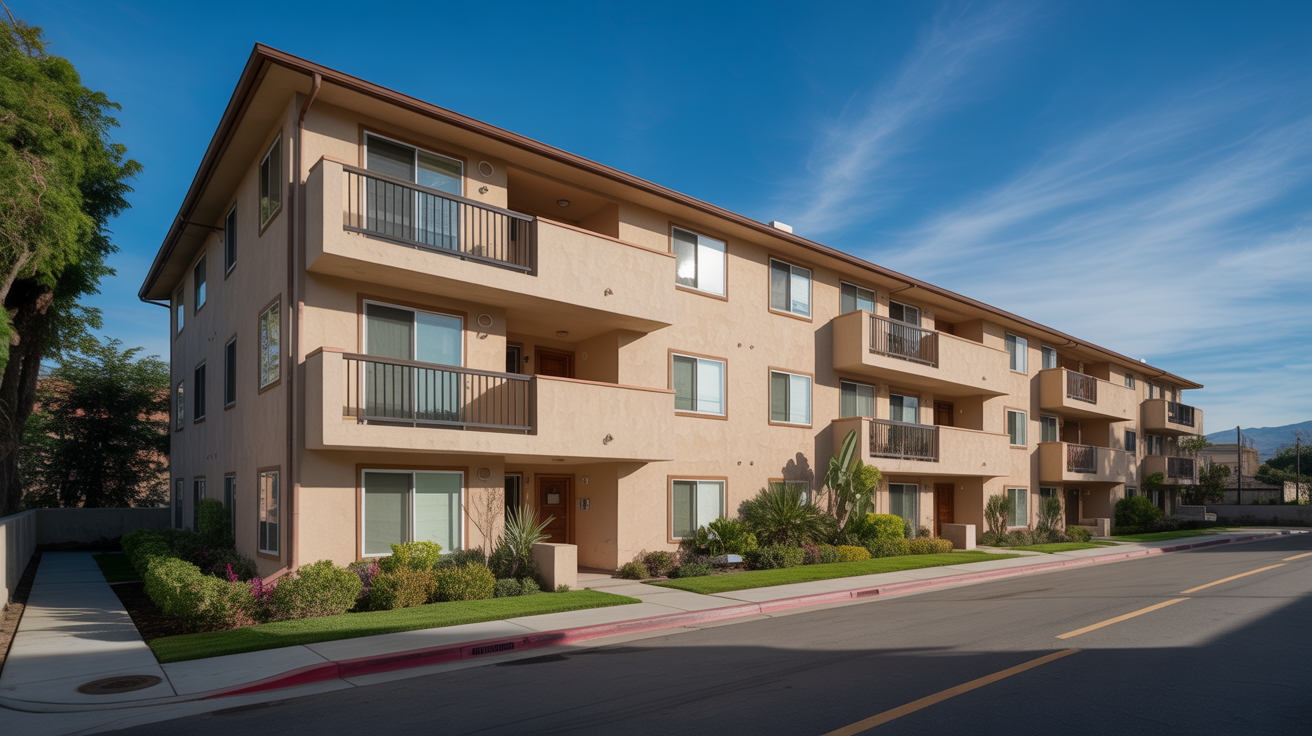
Underperformance Is an Operational Issue, Not a Visual One
Many underperforming properties appear stable from the outside, are current on payments, generate income, and are owned by individuals managing stress or complexity.
These assets do not show up on listing sites with warning labels. They are hidden within everyday portfolios.
The problem is rarely the property. It is usually operations, capital structure, or management.
- Appear stable but inefficient
- Current on payments for now
- Generate income inefficiently
- Owned by those managing stress or debt
Where Underperforming Assets Hide in Plain Sight
Skilled investors know where to look
Below-Market Rents
Properties with long-term tenants but rents significantly below current market rates
Owner Strain
Assets owned by individuals experiencing life or financial strain
Deferred Maintenance
Properties with delayed repairs due to cash flow pressure
Lender Scrutiny
Investment properties approaching lender review or pressure
Operational Gaps
Portfolios held by owners lacking operational infrastructure
Passive Management
Properties with hands-off management and no performance accountability
These are not bad deals. They are misaligned assets.
Why Traditional Investors Miss These Opportunities
Many investors focus solely on purchase price, cap rate, and gross rent multipliers. They miss the operational inefficiencies that create real value.
What they focus on:
- • Purchase price
- • Cap rate
- • Gross rent multipliers
- • Surface-level financials
What they miss:
- • Operational inefficiencies
- • Debt structure problems
- • Management gaps
- • Timing and lender pressure
- • Owner fatigue
Value creation does not come from spreadsheets alone — it comes from execution.

How Skilled Operators Create Value
Operations drive returns, not speculation
Stabilize Cash Flow
Identify revenue leaks and expense bloat, then implement systems to correct them
Restructure Debt
Address timing issues and capital structure misalignment before they become crises
Correct Management Inefficiencies
Implement accountability, reporting, and performance management systems
Strategic Hold or Exit
Make decisions based on stabilized NOI and market conditions, not timing guesses
This approach benefits property owners, lenders, and investors alike.
Accredited and Non-Accredited Investors Play Different Roles
Value creation does not require institutional capital
Accredited Investors
- Provide capital and strategic oversight
- Deploy into operational turnarounds
- Structure debt, equity, and tax strategies
- Scale systems across multiple assets
Non-Accredited Investors
- Partner into deals
- Learn operations alongside capital placement
- Trade time and expertise for equity
- Build experience faster than capital alone
The common denominator is skill, not status. Same playbook, different scale.
Understanding Operations Is the Advantage
Numbers tell you what is happening. Operations explain why. Investors who understand both outperform those who rely on financial metrics alone.
Request Written Guidance
Share your investment goals and I'll provide tailored guidance on identifying underperforming assets.
Connect with Cliff
Tell me about your investment strategy and experience.
Or call Cliff directly:
619-601-4299